Behind the Scenes at North West Waterjet: Precision Cutting, Folding and Fabrication in Action
When customers contact us about a waterjet cutting, laser cutting or CNC folding project, they often already know what finished part they need. What they do not always see is the process that happens behind the scenes to turn a drawing, material specification or CAD file into a finished component.
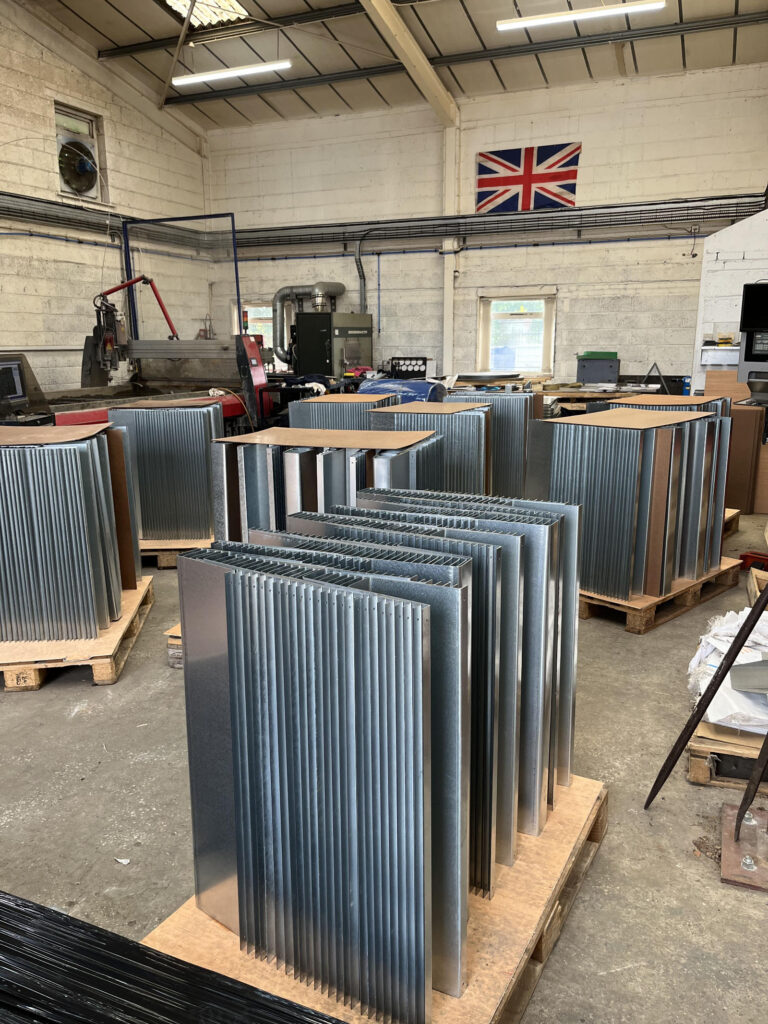
At North West Waterjet, every job moves through a practical, workshop-led process. From the first review of the drawing through to cutting, folding, checking and preparing parts for collection or delivery, the focus is always on accuracy, consistency and producing components that are ready for their intended use.
This behind-the-scenes look gives a clearer picture of what happens inside the workshop and how our cutting and folding services support manufacturers, engineers, fabricators, designers and businesses across the North West and beyond.
From Drawing to Finished Part
Most projects start with a drawing, file or specification. This could be a one-off profile, a batch of repeat components, a folded metal part, a decorative item, or a more complex engineering component with multiple cut-outs, holes and shapes.
Before cutting begins, the details need to be checked carefully. Material type, thickness, quantity, tolerances, finish and any folding requirements all affect how the job is planned. Getting this stage right helps ensure the finished parts match the customer’s requirements and reduces the chance of delays later in the process.
Once the file and specification are confirmed, the job can move into production.
Precision Cutting for Different Materials and Requirements
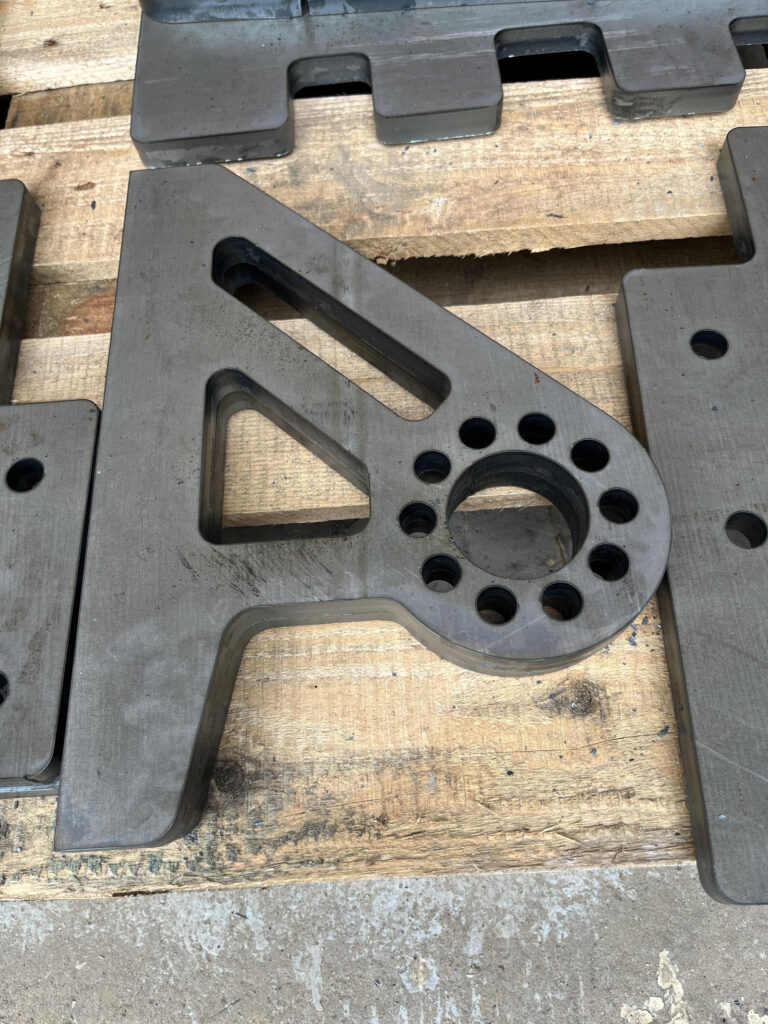
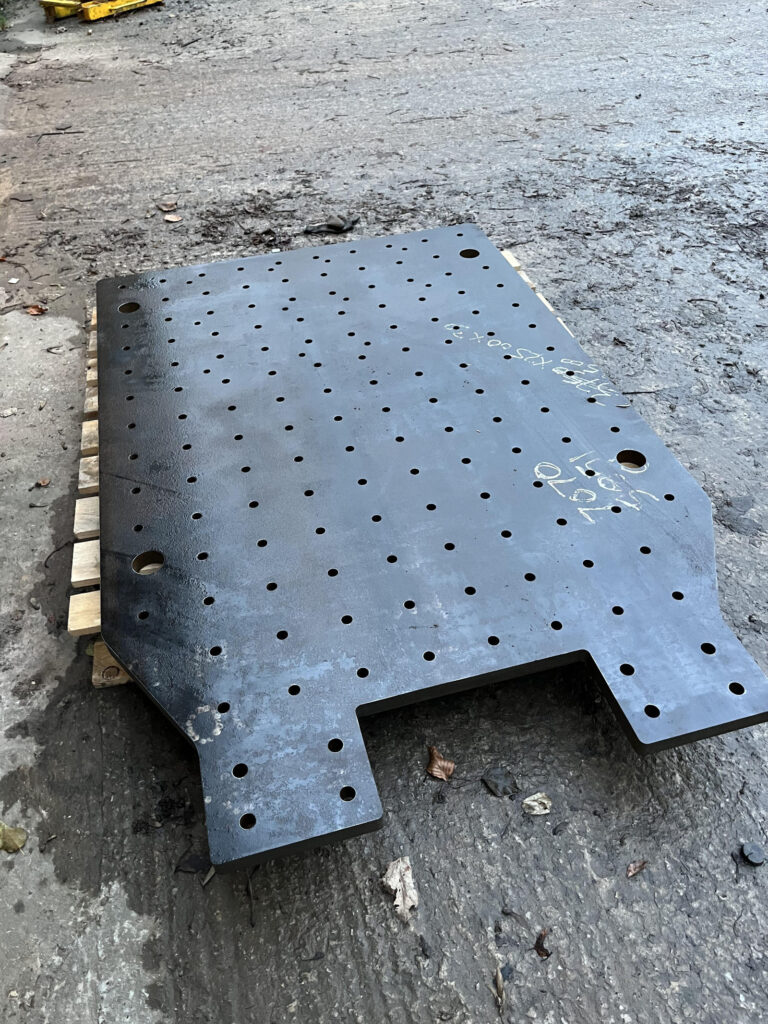
One of the main strengths of a specialist cutting workshop is the ability to choose the right process for the job. Some parts are best suited to laser cutting, particularly where speed, accuracy and a clean finish are required on sheet metal. Other projects are better suited to waterjet cutting, especially where the material is thicker, more delicate, heat-sensitive, or not suitable for conventional thermal cutting.
This flexibility is important because no two jobs are exactly the same. A simple bracket, a thick plate, a detailed profile, a decorative feature and a batch of production parts may all need a different approach.
The aim is not just to cut the shape. It is to produce a part that is accurate, usable and suitable for the next stage, whether that is folding, assembly, finishing or installation.
CNC Folding and Forming
For many customers, cutting is only one part of the job. Once a profile has been cut, it may also need to be folded or formed into a finished component.
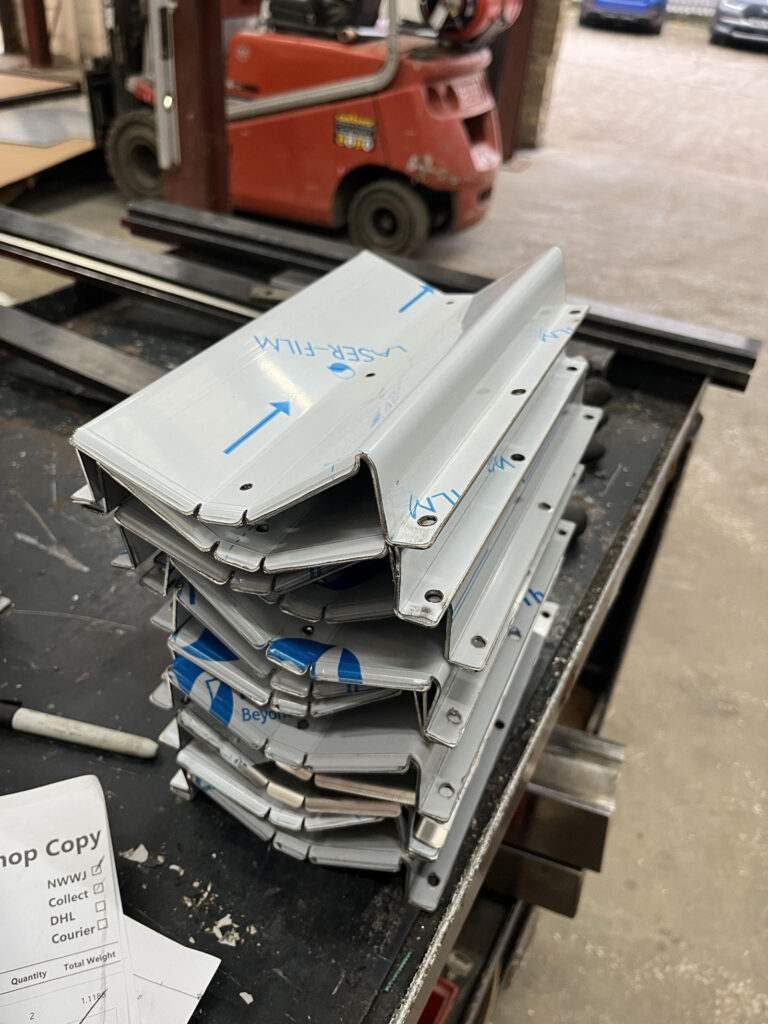
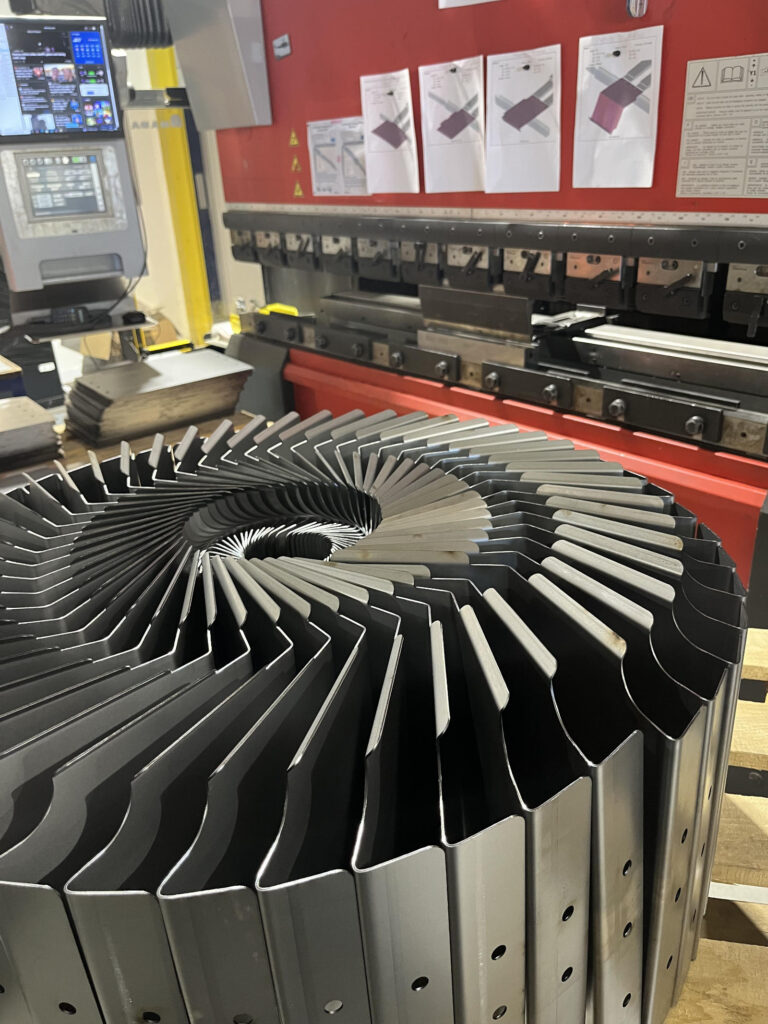
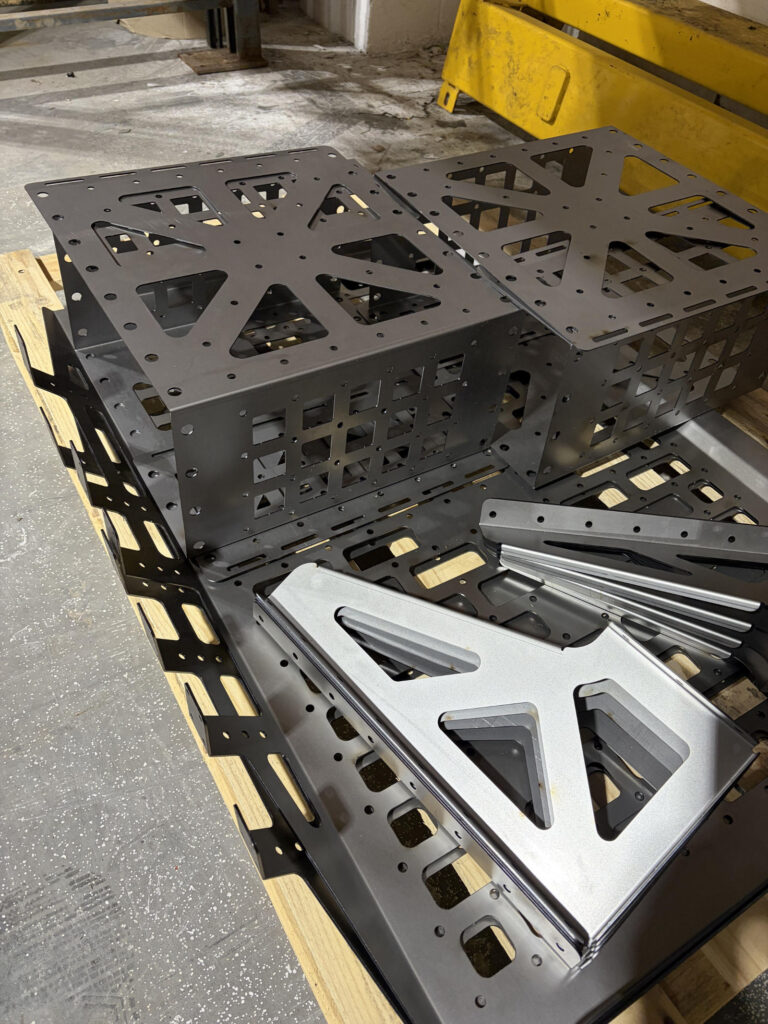
CNC folding allows flat sheet metal parts to be shaped with accuracy and repeatability. This is particularly useful for brackets, trays, covers, panels, guards, enclosures and other fabricated parts where the final shape matters just as much as the cut profile.
Having cutting and folding capabilities available together helps make the process more efficient. It also means customers can work with one supplier for multiple stages of the job, rather than having to move parts between different companies.
One-Off Projects and Repeat Production
The workshop handles a wide mix of work, from one-off bespoke components through to larger batches of repeat parts.
For one-off jobs, the priority is often solving a specific problem. A customer may need a replacement part, a custom bracket, a prototype, a decorative feature or a component that cannot be sourced off the shelf.
For batch production, consistency becomes especially important. Every part needs to match the same specification so it can be assembled, installed or supplied with confidence. Accurate cutting and folding help reduce waste, improve fit and support smoother production for the customer.
This ability to move between bespoke work and repeat manufacturing is a key part of what makes precision cutting services so valuable.
Detail, Accuracy and Practical Workshop Experience
The quality of a finished part is not only determined by the machine. It also depends on practical experience, careful handling and knowing how different materials behave during cutting and folding.
Small details can make a big difference. Hole positions, internal cut-outs, edge quality, bend lines, material thickness and part orientation all need to be considered. A good workshop does not simply process a file; it looks at the job as a finished component and considers how it will be used.
That experience is particularly useful when customers are unsure which process they need. In some cases, laser cutting may be the most efficient option. In others, waterjet cutting may be more appropriate. Where folded parts are required, the design also needs to be suitable for forming.
Supporting Manufacturers, Fabricators and Bespoke Projects
North West Waterjet works with a wide range of customers who need reliable cutting and folding support. This can include engineering firms, manufacturers, fabricators, construction-related businesses, designers, artists and local companies looking for bespoke metalwork.
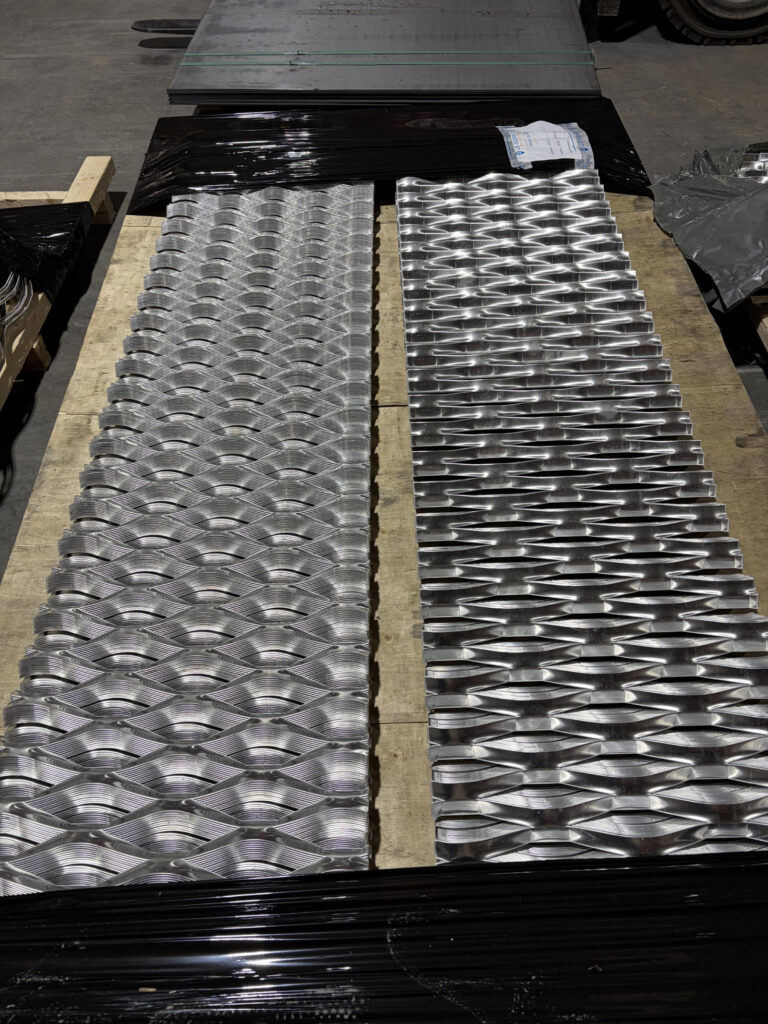
Some projects are highly functional, such as production parts, brackets or panels. Others are more visual, such as signage, display pieces, decorative profiles or public-facing installations. In all cases, the same principles apply: understand the brief, choose the right process, and produce accurate parts.
Why Seeing the Workshop Matters
For customers, seeing behind the scenes helps show the scale and capability behind the service. It gives confidence that the work is being carried out in a real production environment, with the machinery, handling space and experience needed to deliver both individual parts and larger batches.
It also helps explain why accurate information at the quoting stage is so important. The more detail a customer can provide at the start, the easier it is to recommend the right process and produce a reliable quotation.
Useful information includes:
- material type
- material thickness
- quantity required
- drawing or CAD file
- required tolerances
- folding or finishing requirements
- deadline or delivery requirements
With these details, the job can be assessed properly and planned in the most efficient way.
Precision Cutting and Folding in the North West
Whether it is a single bespoke part, a batch of repeat components or a project requiring both cutting and folding, the workshop process is built around accuracy, reliability and practical manufacturing knowledge.
Behind every finished component is a sequence of decisions, checks and processes that help ensure the final result is right for the customer. That is what makes specialist cutting and folding services such an important part of modern manufacturing and fabrication.
If you have a project that requires waterjet cutting, laser cutting or CNC folding, North West Waterjet can help review your requirements and advise on the best approach.